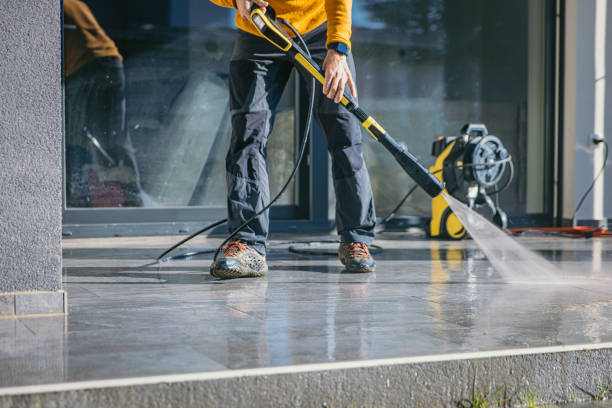
There’s a particular kind of satisfaction in watching years of grime lift off a driveway in seconds. It’s one reason pressure washing Sydney services have become so popular with homeowners and business owners alike. Sydney’s climate, a mix of humidity, coastal salt air and sudden downpours, is tough on outdoor surfaces, and it doesn’t take long for concrete, brick, timber and pavers to start looking tired. A pressure wash is often the single most cost-effective way to turn that around without a full renovation.
What Pressure Washing Actually Removes
Most people think of pressure washing as just blasting away visible dirt, but the real value is in what it removes that you can’t always see. Algae and moss build up in shaded, damp corners and can make paths dangerously slippery. Mould spores settle into porous surfaces like unsealed concrete and render, gradually discolouring them. Oil stains on driveways, chewing gum on footpaths, and general air pollution grime on building facades all respond well to high-pressure water, often without needing harsh chemicals at all.
Where It Makes the Biggest Difference
Driveways and garage floors are the classic starting point, since they take the most vehicle traffic and oil exposure. Outdoor entertaining areas, patios and pool surrounds benefit hugely too, particularly before summer when everyone wants those spaces looking their best. Building exteriors, especially rendered walls and brickwork facing the street, often carry years of built-up grime that quietly makes a property look older than it is. Even fences, retaining walls and rubbish bin areas get a new lease on life with a proper clean, which matters more than people expect when it comes to overall street appeal.
Residential vs Commercial Jobs
A homeowner might book a pressure wash once or twice a year to keep the driveway and patio looking sharp, while commercial properties often need it on a regular schedule. Shopping strips, restaurant forecourts, warehouse loading docks and car parks all accumulate grime fast because of constant foot and vehicle traffic, and a grubby entrance sends the wrong message to customers before they’ve even walked through the door. Body corporates managing apartment complexes also rely on scheduled pressure washing to keep shared walkways, car parks and building entrances presentable without individual owners having to organise it themselves.
Getting the Pressure and Technique Right
Not every surface can handle the same treatment, which is where professional experience earns its keep. Concrete and brick can generally take higher pressure, while softer surfaces like timber decking, painted render or older sandstone need a gentler approach to avoid stripping paint or eroding the surface itself. Roof tiles are another area where technique matters more than raw power, since the wrong angle or pressure can dislodge or crack tiles. Knowing which nozzle, pressure setting and cleaning solution to use for each surface is really the difference between a job that looks great for years and one that causes accidental damage.
Timing It Around Sydney’s Weather
Sydney’s weather patterns actually play a role in when pressure washing delivers the best results. Late autumn or early spring, after the heaviest rain and before the humid build-up of summer, tends to be a sweet spot for tackling mould and algae before they spread further. Booking a clean ahead of an open house, a big event, or the warmer months when outdoor areas get used the most also means the property looks its best exactly when it matters.
Protecting the Investment Afterwards
A pressure wash on its own is a great reset, but pairing it with a sealant on driveways, pavers or timber can extend the results considerably, making future cleans easier and less frequent. Many providers offer this as an add-on once the surface has been cleaned and dried, and it’s well worth considering for high-traffic areas. For anyone weighing up whether it’s worth the cost, it helps to think of pressure washing Sydney as preventative maintenance rather than a cosmetic extra, since it protects surfaces from long-term wear as much as it improves how they look.
DIY vs Calling in a Professional
It’s tempting to hire a consumer-grade pressure washer for a weekend and tackle the driveway yourself, and for very small, simple jobs that can work fine. The trouble is that domestic units rarely reach the pressure needed to shift years of built-up grime, and using the wrong technique on a rented machine can chip pavers, strip paint, or force water under tiles and roofing where it causes hidden damage. Professionals also carry insurance for exactly these scenarios, along with commercial-grade equipment and wastewater management that keeps runoff, oil and chemical residue from washing straight into stormwater drains, which is actually a compliance issue in many Sydney council areas.
It’s also worth remembering that pressure washing isn’t a one-off fix so much as an ongoing part of property upkeep. Surfaces that get cleaned regularly build up grime far more slowly than those left for years between cleans, since algae and mould take hold much faster once they’ve established a foothold in a porous surface. Property managers who schedule pressure washing on a rolling basis, rather than waiting until a surface looks visibly bad, generally spend less overall and keep their buildings looking consistently presentable rather than swinging between neglected and freshly restored.
Whether it’s a single driveway or an entire commercial forecourt, pressure washing delivers one of the best before-and-after transformations available for the price. It’s quick, it’s low-mess, and when it’s done with the right technique, the results genuinely last.